
As global temperatures climb and summer heatwaves become more intense, staying ahead of vehicle maintenance has shifted from an optional chore to a vital safety measure. Extreme heat accelerates mechanical deterioration, evaporates crucial fluids, and places massive stress on sensitive automotive components. Skipping a seasonal inspection greatly raises the chances of sudden roadside failures, engine overheating, and hazardous tire blowouts on scorching asphalt. Protecting your vehicle from these harsh elements requires a proactive, preventative approach.
Combating Extreme Heat and Avoiding Thermal Damage
- Battery Health Diagnostics: Scorching summer temperatures accelerate internal corrosion and fluid loss within your battery. A professional diagnostic check ensures your battery maintains sufficient cranking power, preventing you from getting stranded.
- Belts and Hoses Inspection: High temperatures cause rubber radiator hoses and drive belts to stretch, crack, or become brittle. Identifying this wear early on prevents sudden cooling system failures or alternator breakdowns.
- A/C System Testing: Test your climate control system early in the season to address minor leaks or weak airflow. This allows you to beat the mid-summer rush at the repair shop before peak temperatures hit.
- Thermal Barrier Protection: Interior temperatures can easily skyrocket past 110°F on sunny days. Using premium windshield sunshades protects delicate dashboard electronics and interior upholstery from harmful UV rays.
Tire Safety and Maximum Summer Performance Tips
- Cold Inflation Monitoring: Regularly check your tire pressure with a reliable gauge when the tires are "cold"—meaning the vehicle has sat for at least three hours or has been driven less than a mile.
- Adhering to Recommended PSI: Always inflate your tires based on the manufacturer's specifications found on the driver-side door jamb sticker, instead of matching the maximum pressure listed on the tire sidewall.
- Structural Integrity Checks: Routinely inspect your tire tread and sidewalls for signs of heat stress, such as cracking, bulges, uneven wear, or punctures.
- Load Capacity and Wheel Alignment: Hot asphalt, high highway speeds, and heavy cargo place intense stress on your tires. A professional wheel alignment guarantees uniform wear and optimizes handling safety on the open road.
Optimizing Fluid Quality and Cooling System Efficiency
- Cooling System Tune-Up: Ensure your water pump, thermostat, and radiator are operating flawlessly. Always use high-quality coolant with an elevated boiling point to safeguard your engine against overheating.
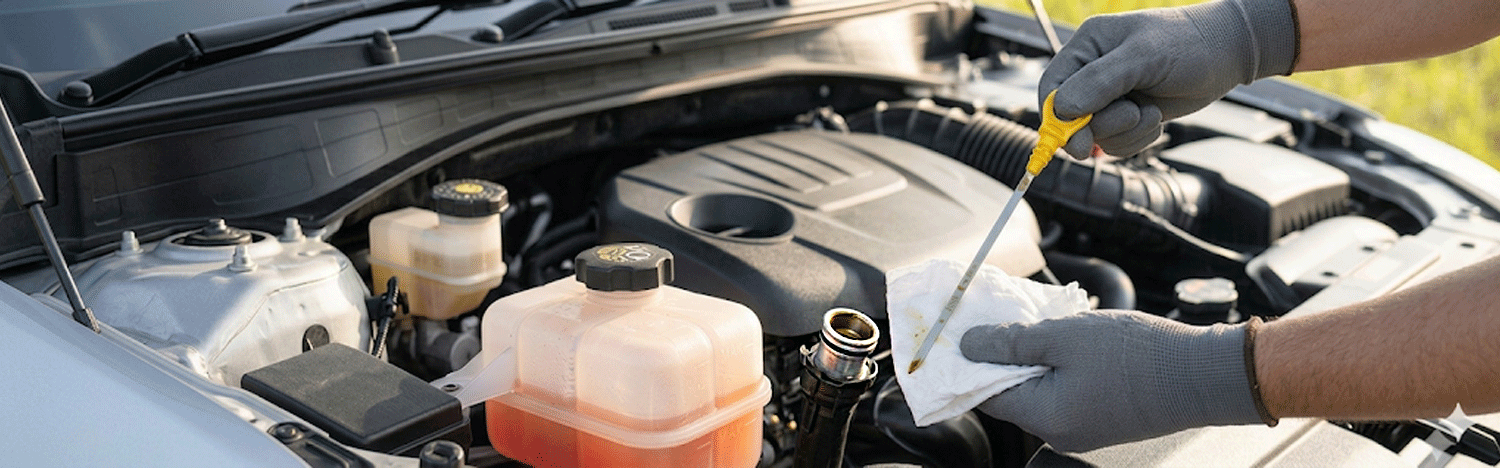
- Fluid Level Assessments: Frequently check critical under-hood fluids—including motor oil, transmission fluid, and brake fluid—to verify they are clean and filled to the appropriate levels.
- Visibility Maintenance: Replace wiper blades worn out by winter weather to ensure clear visibility during sudden summer downpours, and keep your windshield washer reservoir topped off.
- Corrosion and Rust Prevention: Extensively wash your vehicle’s undercarriage to eliminate residual winter salt and road grime. Promptly fix exposed paint chips, as high summer humidity can rapidly accelerate rust production.
Schedule Your Summer Maintenance Service
Avoid letting harsh summer weather leave you stranded on the highway. Schedule a comprehensive vehicle inspection at Camelback Lincoln Service Center today. Beat the seasonal rush and make sure your vehicle is fully prepared for the open road. Reach out to our team today to book your appointment!